


FAQs
How quickly can I get paid when I sell my silver online?

Can I sell broken sterling silver jewelry?
How much is 925 sterling silver worth?
Can I sell silver-plated silverware?
Is it safe to sell silver online?
More...
Old jewelry, inherited flatware, and silver coins may be worth selling even when they're tarnished or no longer used. The amount you'll receive depends mainly on what the items contain and the buyer evaluating them.
Cash for Gold USA offers a mail-in way to sell silver for cash for a competitive price without visiting multiple stores. This guide explains which items qualify, how silver is valued, and what to check before accepting an offer.

Free Overnight Shipping

1000+ 5-star reviews


Insured Shipments
Free Overnight Shipping
4000+ 5-star reviews
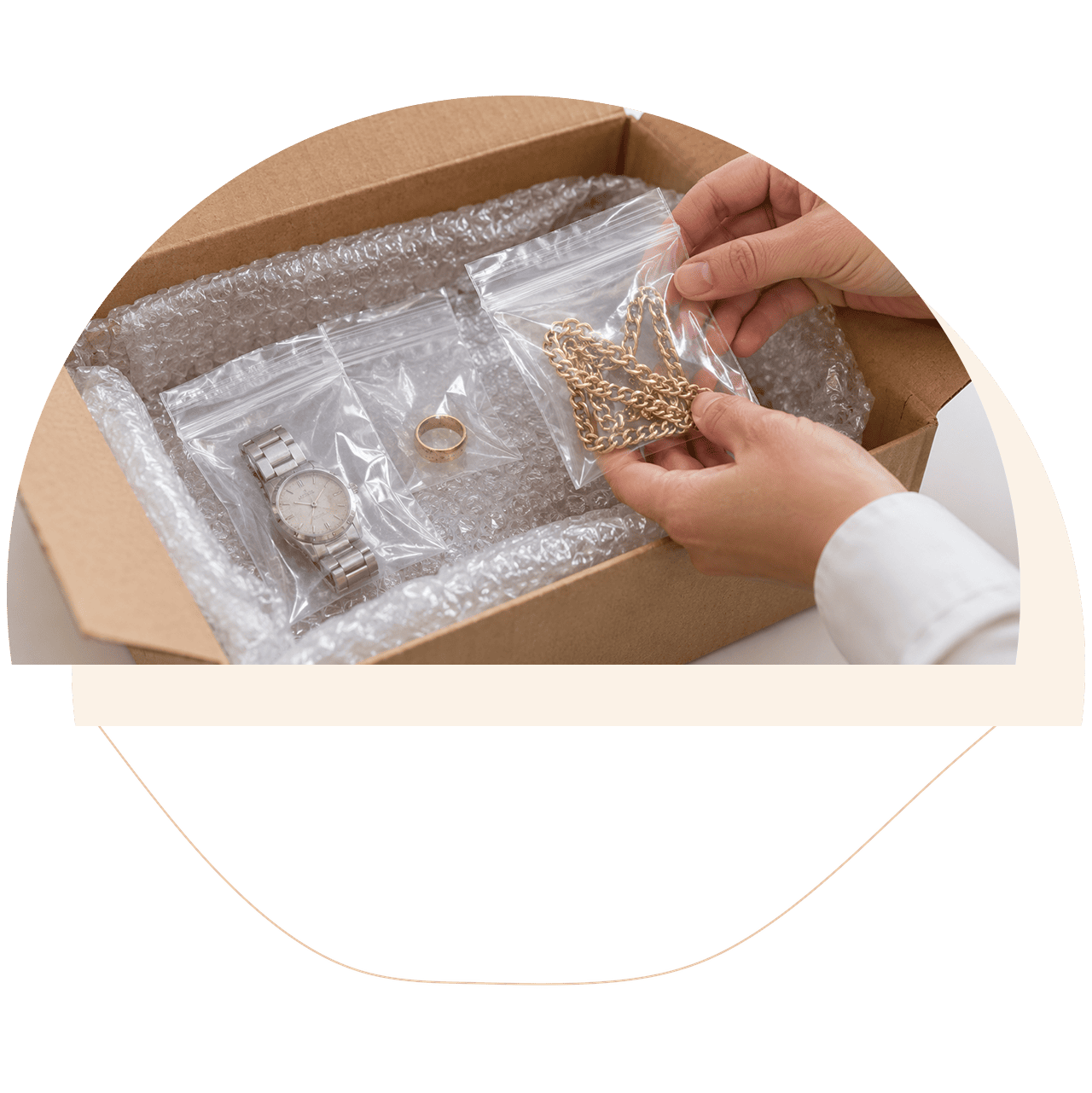
Our mail-in process lets you request an offer from home. Here's what to expect:
If a quick cash payment is important, compare payment processing and delivery times before choosing a method. An appraisal turnaround of about 24 hours does not mean funds will arrive within that period.
For more information, see how it works.
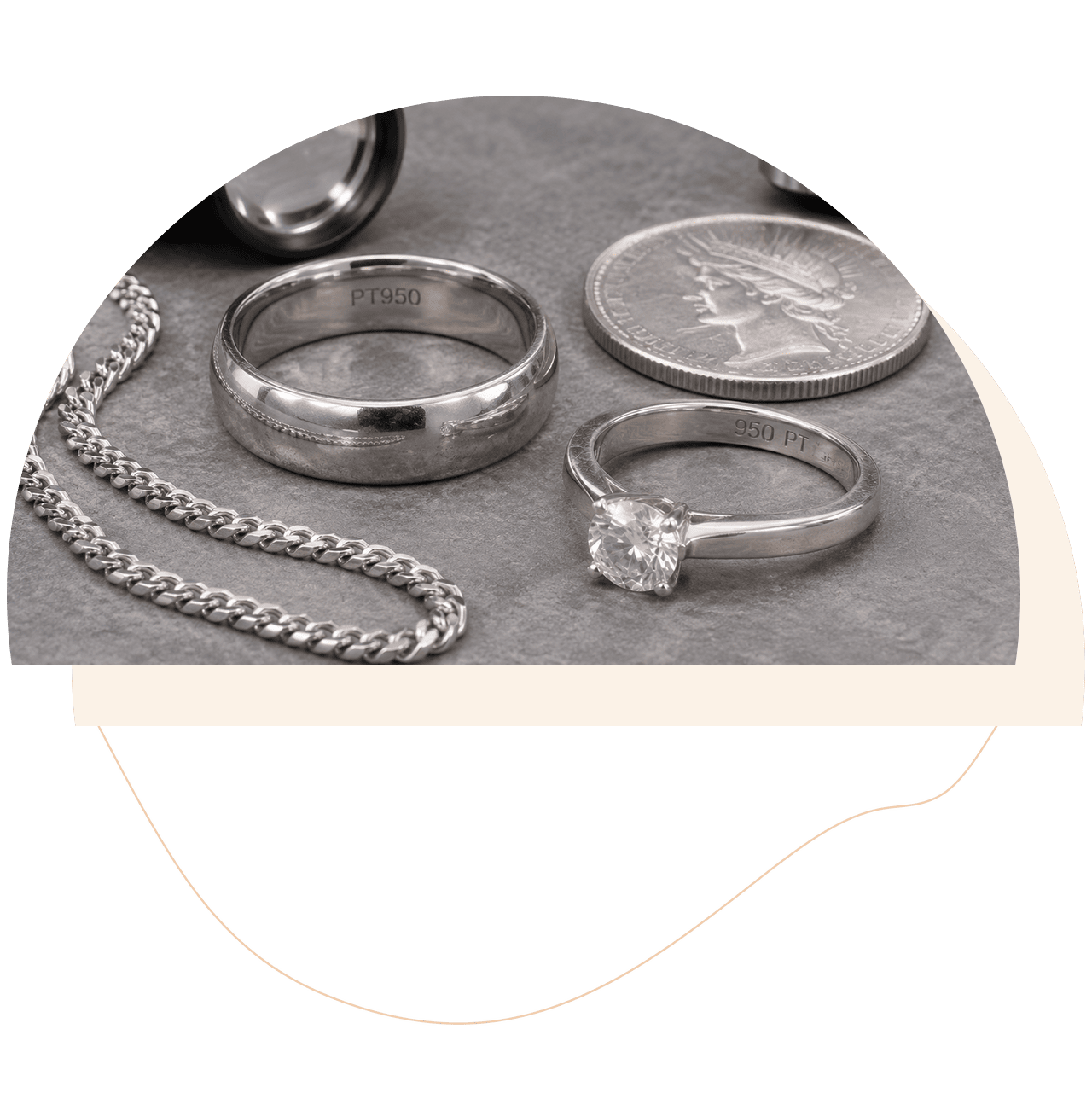
We purchase several forms of unwanted silver, including many damaged or incomplete items. If you have inherited silver that's been stored away for years, it may also be eligible. The material must contain recoverable precious metal silver. Appearance alone doesn't determine eligibility.
You can sell sterling silver in everyday and decorative pieces, including:
Sterling silver jewelry contains 92.5% silver, with other metals added for durability. Tarnish, a broken clasp, or a missing matching earring doesn't necessarily eliminate its metal value. Our silver jewelry guide has more details.
Silver flatware and household silverware are another common category. Eligible items may include sterling forks, spoons, serving utensils, trays, bowls, and tea or coffee sets. You might have a partial set from a relative or individual pieces that no longer match your tableware.
Brands such as Gorham, Towle, Wallace, and Reed & Barton have produced recognized patterns, but a maker's name doesn't prove that a particular piece is solid sterling. Some manufacturers made plated products as well. Weighted candlesticks and knife handles may also contain filler or steel, so their total weight is not necessarily their silver weight.
See our silverware and flatware guide.
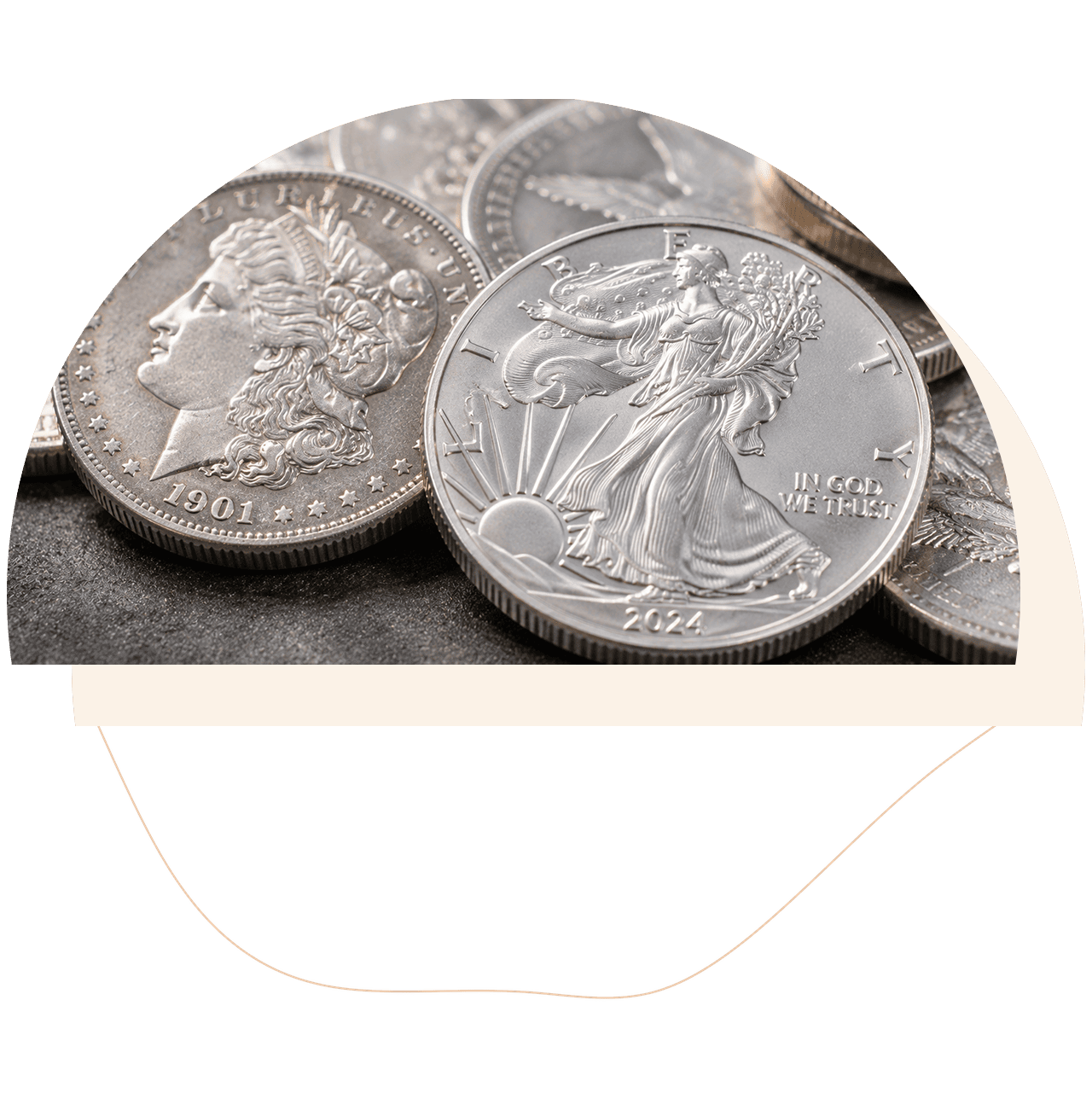
We buy many types of silver coins, including U.S. and international issues. Common examples are U.S. dimes, quarters, and half-dollars dated 1964 or earlier, which generally contain 90% silver, and Kennedy half-dollars dated 1965–1970, which contain 40% silver.
Circulated coins bought mainly for their metal content are often called junk silver. That doesn't mean they are worthless. Some coins, such as scarce dates or better-preserved Morgan and Peace dollars, may also have collectible value. A coin specialist may be helpful when rarity matters.
Learn more about selling silver coins.
We also evaluate silver bullion, including rounds, ingots, and silver bars, as well as eligible broken or damaged silver pieces. Bullion is commonly marked .999 fine silver, but its content still needs verification.
Silver scrap can include snapped chains, damaged utensils, and unwanted sterling pieces. Its scrap silver value comes mainly from recoverable silver rather than appearance or original retail price.
We do not buy silver-plated items. Silver plating is a thin layer over another metal and differs from solid sterling silver. If you can't tell what you have, check the markings or consult us before shipping.
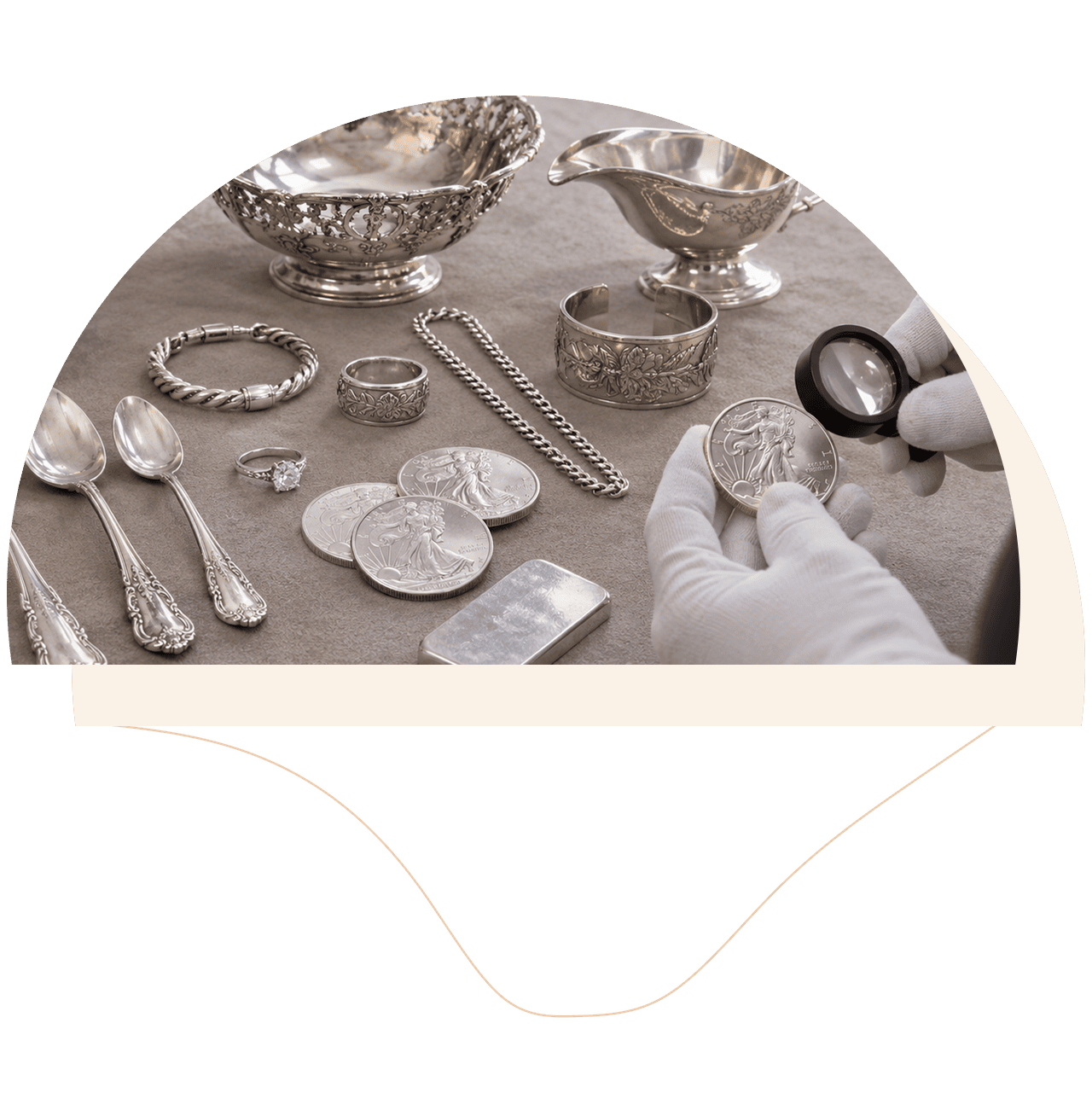
If you're deciding where to sell silver, consider the type of item and how soon you need payment. The best place to sell silver isn't necessarily the same for bullion, broken jewelry, and a rare antique.
Online services offer a nationwide alternative when visiting several shops would be inconvenient. Local sellers may prefer an in-person transaction, especially when speed is their main concern. Neither channel automatically pays more.
When comparing silver buyers, ask how an offer is calculated and what happens if you decline. Cash for Gold USA lets you submit eligible items from home and review the resulting offer within the stated response period.
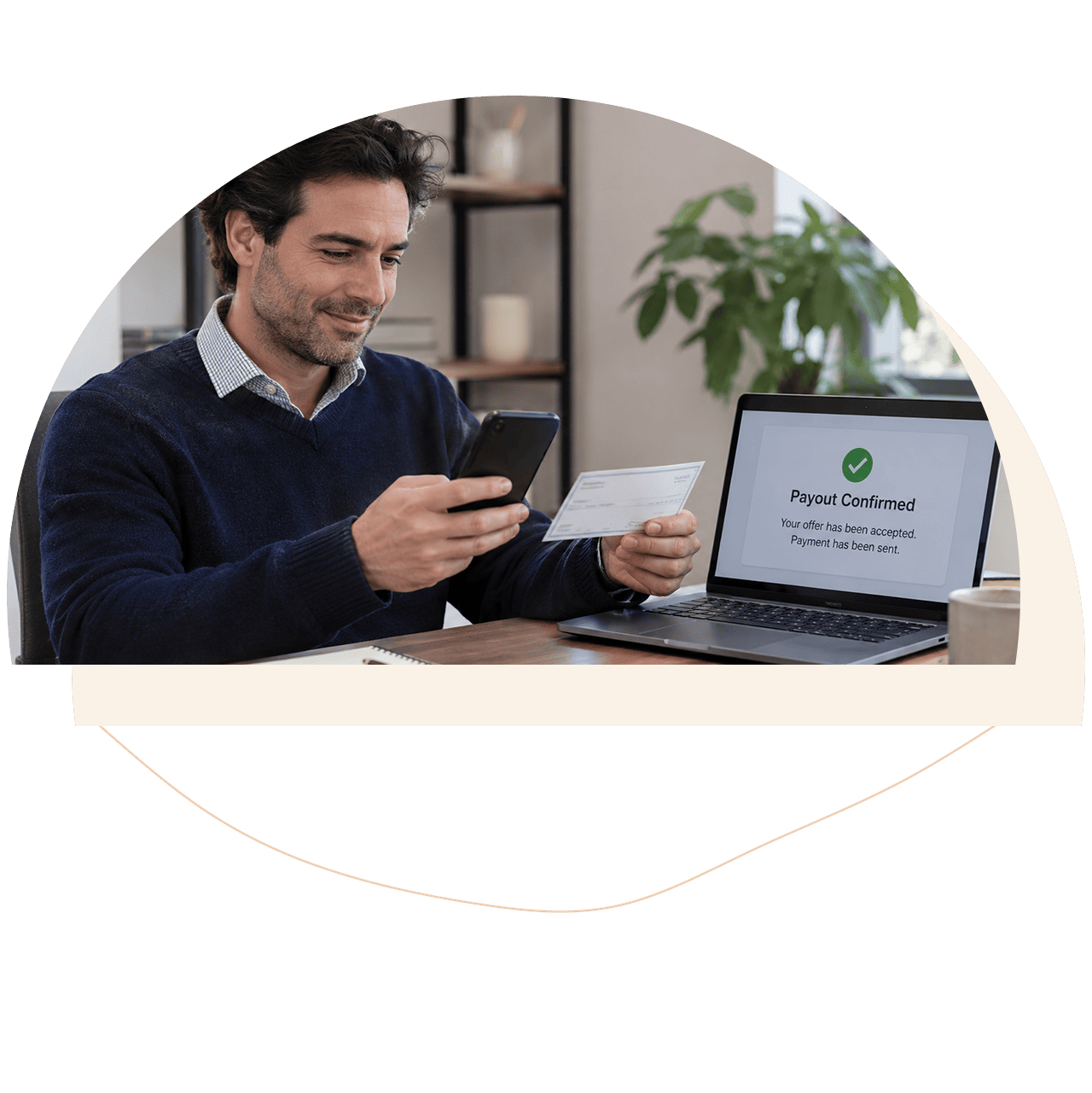
You don't need specialized equipment to prepare for a sale. A little research can make offers easier to evaluate and help protect your valuables.
Avoid polishing collectible coins or aggressively cleaning antique silver. Surface changes may reduce collector interest. If an item could have historical or decorative value beyond its metal content, consider consulting a qualified specialist before selling it for scrap.
Hallmarks provide useful clues, although markings can be misleading or counterfeit. Look inside ring bands, near necklace clasps, on the backs of jewelry, and underneath utensils or serving pieces.
A magnet test can't establish an item's exact composition. Silver isn't strongly magnetic, but neither are many base metals. Tarnish, polishing residue, and appearance are also unreliable proof of purity. At-home acid tests can damage a piece and shouldn't be necessary before requesting an evaluation.
A professional silver evaluation may use specialized metal-testing equipment alongside inspection and weighing. Some testing can involve scratching or scraping. Ask about handling procedures first if an item's surface, original packaging, or collectible condition matters.


Give us a ring at (866) 300-1430
or email us at info@cashforgoldusa.com.
We're here and ready to chat, so feel free to hit us up with any questions!